Introduction
I never paid much attention to my hoodies until I moved to a city with weather that changes by the hour. The constant shifts between sunshine and sudden chill made me reconsider what I was wearing, not just for style but for genuine comfort throughout the day. It was during one of these transitional seasons that I began noticing how certain fabrics and designs worked better than others, particularly when facing the kind of temperature swings that define places with variable climates. Denver weather, with its reputation for unpredictability, became my testing ground for understanding what makes clothing truly functional. This realization didn’t come from reading product descriptions but from living through those moments when you’re either perfectly comfortable or regretting your clothing choices by midday.
Real-life Context
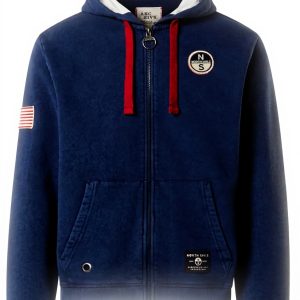
My days often start early, before the sun has fully warmed the air, and extend into evenings when the temperature drops noticeably. I might leave my apartment needing a layer, only to find myself carrying it by lunchtime, then putting it back on as afternoon turns to evening. This rhythm became so familiar that I started paying attention to which items I reached for automatically versus those that stayed in the closet. The hoodie that eventually stood out wasn’t one I’d chosen for any particular feature initially; it simply became the piece I wore most often without thinking about it. here was something about its weight—not too heavy, not too light—that made it adaptable to both indoor and outdoor settings. I’d wear it during morning walks when the air still carried a chill, then keep it on while working from home as the day warmed up, never feeling overheated or underdressed.
What struck me was how this particular hoodie handled different environments seamlessly. In cooler morning conditions, it provided just enough warmth without bulk, and during warmer parts of the day, it remained comfortable rather than clinging or feeling restrictive. The fabric had a certain breathability that I hadn’t fully appreciated until experiencing it across various temperatures. I noticed this especially during those days when I’d be moving between air-conditioned spaces and warmer outdoor areas, where many layers would feel either too warm indoors or insufficient outside. This hoodie managed to strike a balance that worked in both scenarios, something I hadn’t encountered with other casual wear items in my wardrobe.
The practical aspects became apparent through daily use. The pockets, which I initially thought were just standard features, proved genuinely useful for carrying small items during walks—my keys, a mask during times when that was necessary, or my phone when I wanted quick access. The hood itself, which I’d rarely used on previous sweatshirts, became something I actually deployed when unexpected wind picked up or when I needed a bit more coverage during brief rain showers. These weren’t dramatic needs, just the small, practical realities of daily life that either get smoothly handled or become minor annoyances depending on your clothing.
Observation
Over several weeks of regular wear, I began noticing specific qualities that set this hoodie apart from others I owned. The fabric maintained its softness wash after wash, without developing that stiff or pilly texture that sometimes happens with frequent use. The color, a neutral grey that I’d chosen mostly because it matched everything, actually held its hue well, not fading into something duller or developing uneven coloring over time. The seams remained flat and comfortable, never rubbing or creating pressure points even during longer wear. These might seem like small details, but they’re the kinds of things you notice when something becomes part of your regular rotation rather than an occasional wear.
I also observed how the fit worked across different activities. Whether I was sitting at my desk for hours, walking through the neighborhood, or doing light tasks around the house, the regular cut provided enough room for movement without looking baggy or sloppy. This became particularly noticeable when I compared it to other hoodies that either felt too restrictive across the shoulders or so loose that they lacked structure. The balance here felt intentional—designed for actual movement rather than just static wear. The cuffs and waistband maintained their shape without stretching out, which meant the hoodie continued to look put-together even after full days of wear.
What surprised me was how often I found myself choosing this particular hoodie over other options, even when those others were newer or had initially seemed more stylish. There was a reliability to it that I came to appreciate—knowing how it would perform in different situations, how comfortable it would remain throughout the day, and how it would look after multiple wears between washes. This consistency became valuable in a way I hadn’t anticipated when I first added it to my wardrobe. It wasn’t about the hoodie being extraordinary in any single aspect, but about it performing well across all the situations where I needed a comfortable, versatile layer.
The hoodie’s performance in varying denver weather conditions particularly stood out during those days when temperatures would swing dramatically within hours. On mornings that started in the 40s Fahrenheit but warmed to the 60s by afternoon, many layers would leave me either shivering early on or sweating later. This one managed to provide just enough insulation when needed while remaining breathable as temperatures rose. I didn’t realize at the time that this would be so important, but those transitional periods revealed how clothing that adapts well to temperature changes makes daily life noticeably more comfortable. The difference wasn’t dramatic—it was the absence of discomfort that made the experience stand out.
Reflection
Living with this hoodie through different seasons made me think differently about what I look for in casual clothing. I started paying more attention to fabric composition and construction details, realizing that these elements contribute significantly to how clothing performs over time rather than just how it looks initially. The sustainable aspect of the organic cotton, which I hadn’t prioritized when purchasing, became something I appreciated more as I noticed the fabric’s durability and consistent quality. This shifted my perspective from viewing clothing as disposable seasonal items to considering them as longer-term additions to my wardrobe.
I also found myself reflecting on how we often overlook the importance of reliable basics in favor of more statement pieces. This hoodie wasn’t the most exciting item I owned, but it became one of the most worn because it worked so well across so many situations. That reliability—knowing it would be comfortable, appropriate, and hold up well—made it more valuable than items that were more fashionable but less versatile. This changed how I approach building my wardrobe now, prioritizing pieces that serve multiple purposes and maintain their quality over time.
The experience made me more aware of how clothing interacts with daily life in ways we don’t always consciously notice until something works particularly well or particularly poorly. The right hoodie doesn’t just keep you warm—it becomes something you reach for automatically because it fits well, feels comfortable, and looks appropriate without requiring thought. That automatic reach is what separates clothing you merely own from clothing you actually wear regularly. It’s the difference between having options and having go-to pieces that simplify your daily decisions.
I began considering how small design choices—the depth of pockets, the weight of the fabric, the structure of the hood—contribute significantly to usability. These aren’t features we typically prioritize when shopping, but they’re the elements that determine whether something becomes part of your regular wear or remains in the closet. This reflection has changed how I evaluate clothing now, looking beyond initial appearance to consider how items will actually function in my daily routine and whether they’ll hold up to regular use.
Conclusion
What started as a simple addition to my wardrobe became something that changed how I think about clothing altogether. The right piece isn’t necessarily the most fashionable or the most technically advanced—it’s the one that seamlessly integrates into your life, providing comfort and functionality without demanding attention. This particular hoodie demonstrated how thoughtful design and quality materials create clothing that works with you rather than requiring you to work around its limitations. That integration is what transforms an item from being merely owned to being genuinely useful.
The experience of wearing this through changing denver weather conditions highlighted how adaptability matters more than extreme performance in everyday clothing. A piece that handles moderate conditions well across various situations often proves more valuable than specialized items designed for specific circumstances. This has influenced my approach to building a wardrobe—focusing on versatile, well-made basics that work together across different needs rather than accumulating numerous specialized items.
Ultimately, what made this hoodie stand out wasn’t any single remarkable feature but its consistent performance across all the small moments that make up daily life. From early mornings to late evenings, from indoor comfort to outdoor protection, it simply worked without fuss or failure. That reliability, born from quality materials and thoughtful design, is what separates clothing you occasionally wear from clothing that becomes part of your regular rotation. It’s a reminder that the best items often aren’t the most dramatic but the most dependable.