Introduction
I never thought much about my outdoor gear until the day everything went dark. It was during what people now refer to as the lorne michaels | xcel power outage that I truly understood the value of having reliable clothing that could adapt to unexpected situations. The experience made me reconsider what I actually needed from my wardrobe, especially for outdoor activities that suddenly became more complicated without modern conveniences.
Living in an area where weather can change rapidly, I had always prioritized function over fashion, but I hadn’t fully appreciated how certain pieces could serve multiple purposes until that day. The power outage lasted longer than anyone anticipated, forcing many of us outdoors to manage basic needs, and it was during these moments that I began noticing the small details that make clothing truly practical.
What started as a simple preference for durable outdoor wear transformed into a deeper appreciation for gear that performs when circumstances become challenging. The realization didn’t come from reading product descriptions or watching reviews, but from lived experience that highlighted aspects of functionality I had previously taken for granted.
Real-life Context
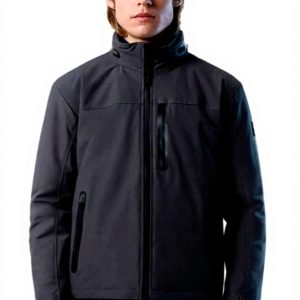
Before the power outage, my relationship with outdoor clothing was fairly straightforward. I enjoyed sailing on weekends and occasional hiking trips, activities where having the right gear mattered but never felt critical. My North Tech Sailor Jacket was just one of several pieces I rotated depending on the weather forecast and planned activities.
The day the power went out began like any other autumn morning. I had planned to spend the day working from home before heading out for an evening sail. The sky looked slightly overcast but nothing concerning, just the typical transitional weather we experience this time of year. I put on the jacket more out of habit than necessity, appreciating its standard length and band collar for their classic look rather than any specific functional need.
When the power failed around midday, my initial reaction was mild annoyance. I assumed it would be restored within an hour or two, so I continued working on my laptop until the battery drained. As hours passed and daylight began fading, the situation shifted from inconvenient to genuinely challenging. The temperature dropped noticeably, and what had been light cloud cover developed into proper overcast conditions with occasional drizzle.
I found myself needing to move between indoor and outdoor spaces frequently, checking on neighbors, retrieving supplies from my car, and eventually deciding to abandon my dark apartment altogether. The jacket, which I had put on casually that morning, suddenly became my primary protection against the changing conditions.
What struck me initially was how the jacket’s design accommodated movement naturally. The T-back style, something I had never paid much attention to before, allowed me to reach, bend, and move without restriction as I navigated various tasks around the neighborhood. The four pockets proved unexpectedly useful for carrying small essentials like my phone, keys, and a flashlight when I no longer had convenient indoor surfaces to place things on.
The hood, which I had rarely used during normal conditions, became essential as the drizzle turned into steady rain. Unlike hoods on some other jackets I’ve owned, this one stayed in place without needing constant adjustment, remaining practical rather than becoming a nuisance during movement.
Observation
As the outage continued into evening, I noticed how the jacket’s features aligned with genuine needs rather than theoretical benefits. The robust materials, which I had previously considered mainly in terms of longevity, demonstrated their value in providing consistent protection against wind and moisture as I moved between locations.
I watched others struggling with inadequate clothing—people wearing lightweight sweaters that offered no rain protection or bulky coats that restricted movement during necessary tasks. Meanwhile, the jacket maintained its functionality without requiring conscious thought or adjustment on my part. The practical design elements worked together seamlessly, from the secure pocket closures that kept contents dry to the hood that provided coverage without obstructing peripheral vision.
During a walk to check on elderly neighbors, I appreciated how the standard length provided coverage without feeling restrictive. The band collar, which I had initially chosen for its aesthetic appeal, actually served a functional purpose by providing additional neck protection against wind and rain when the hood wasn’t in use.
What became increasingly clear was how the jacket’s design acknowledged real-world variability. The protection against light precipitation was sufficient for the conditions we experienced, keeping me comfortable without the bulk of fully waterproof gear that would have been excessive for that particular weather. The balance between protection and practicality felt intentional rather than accidental.
I also observed how the jacket transitioned between different contexts throughout the extended outage. It worked equally well during physical activities like helping neighbors move generators as during stationary moments waiting in line for information updates. The functionality remained consistent whether I was actively moving or standing still, which isn’t always the case with outdoor gear designed primarily for specific activities.
The hand-wash requirement, whih I had initially viewed as a limitation, actually made sense in the context of limited resources during the outage. Unlike delicate technical fabrics requiring special care, the jacket’s maintenance needs aligned with practical realities when modern conveniences weren’t available.
Reflection
I didn’t realize at the time that this experience would fundamentally change how I evaluate outdoor clothing. The power outage forced me to use the jacket in ways I never would have considered during normal circumstances, revealing qualities that product descriptions can mention but never fully convey.
The true test of functional clothing isn’t how it performs during planned outdoor activities but how it adapts to unexpected situations where multiple factors converge. The jacket’s design philosophy became apparent not through marketing language but through its consistent performance across varying demands—from providing basic weather protection to accommodating spontaneous physical tasks.
What struck me most was how the practical features worked together holistically rather than as isolated benefits. The four pockets weren’t just storage spaces but integrated elements that maintained the jacket’s balance and didn’t interfere with movement. The T-back style complemented the standard length rather than competing with it, creating a silhouette that worked for both active and stationary moments.
I began considering how we often prioritize specialized gear for specific activities while overlooking the value of versatile pieces that perform adequately across multiple scenarios. The jacket’s suitability for sailing, hiking, and urban use wasn’t just marketing positioning but reflected a design approach that acknowledged how people actually live and move through different environments.
The experience also made me reflect on durability beyond mere fabric strength. The jacket’s construction demonstrated durability through consistent performance across changing conditions rather than just resistance to wear. The materials maintained their protective qualities throughout extended exposure to moisture and wind without compromising comfort or functionality.
I found myself appreciating design choices that initially seemed minor, like the placement and size of pockets that accommodated essential items without creating bulk. These details contributed to the overall experience of the jacket as thoughtfully considered rather than just technically competent.
The limitation regarding machine washing, which I had previously viewed as an inconvenience, now seemed like a reasonable trade-off for materials that performed consistently under challenging conditions. The hand-wash requirement encouraged more mindful maintenance rather than careless treatment, potentially extending the jacket’s functional life beyond typical outdoor gear.
Conclusion
The power outage eventually ended, but the perspective it provided continues to influence how I approach outdoor clothing. The experience demonstrated that true functionality emerges not from an accumulation of features but from how those features work together during real-world use.
What made the jacket valuable wasn’t any single specification but its ability to perform consistently across unexpected challenges. The combination of practical elements—from the four pockets to the T-back style—created a cohesive whole that supported rather than complicated daily activities, even when those activities became more demanding due to external circumstances.
I’ve come to appreciate outdoor gear that acknowledges the variability of real life rather than optimizing exclusively for ideal conditions. The jacket’s balanced approach to weather protection, movement accommodation, and practical details reflects an understanding that functionality exists on a spectrum rather than as absolute categories.
The experience also highlighted how we often underestimate the importance of versatile clothing until circumstances force us to rely on its full capabilities. What begins as a preference for certain features can evolve into appreciation for how those features interact during extended use across different contexts.
Looking back, I recognize that the most valuable aspects of functional clothing often reveal themselves gradually through ordinary use rather than immediate impressions. The jacket’s qualities became apparent not during planned outdoor activities but through adaptation to unexpected situations where performance mattered more than specifications.
This perspective has changed how I evaluate all outdoor gear, focusing less on individual features and more on how those features work together during actual use. The true measure of functional clothing isn’t how it performs under ideal conditions but how it adapts when circumstances become less than ideal, providing reliable performance when it matters most.
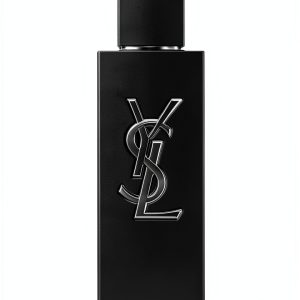 Yves Saint Laurent MYSLF Eau de Parfum Herren Duft 60 ml
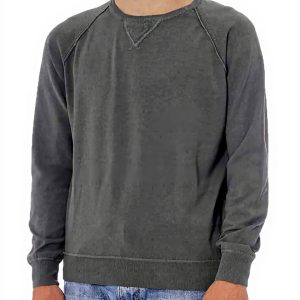 North Sails Herren T-Shirt Rundhals Baumwolle Patch
 Mystic Production Produkt 12,5x14x0,8 cm 110 Gramm
 SOHBI Disk Verpackung Abmessungen 14 09 x 12 63 x 1 37 cm
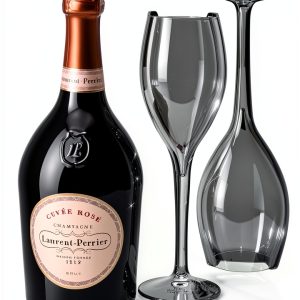 Laurent Perrier Rose Champagner Set 2 Gläser Geschenkpackung